Progressive Architecture Concepts: Discovering the Advantages of Professional Architecture Services
Creative building designs are instrumental in shaping today's built environments. By prioritizing environmental responsibility and practicality, building professionals can create spaces that resonate with the needs of communities. Blending smart technologies and eco-friendly materials improves energy performance while encouraging community engagement. As design philosophies develop, they respond to the needs of inhabitants and celebrate local culture. One must consider: in what ways do these factors combine to reshape our cities and elevate human well-being?
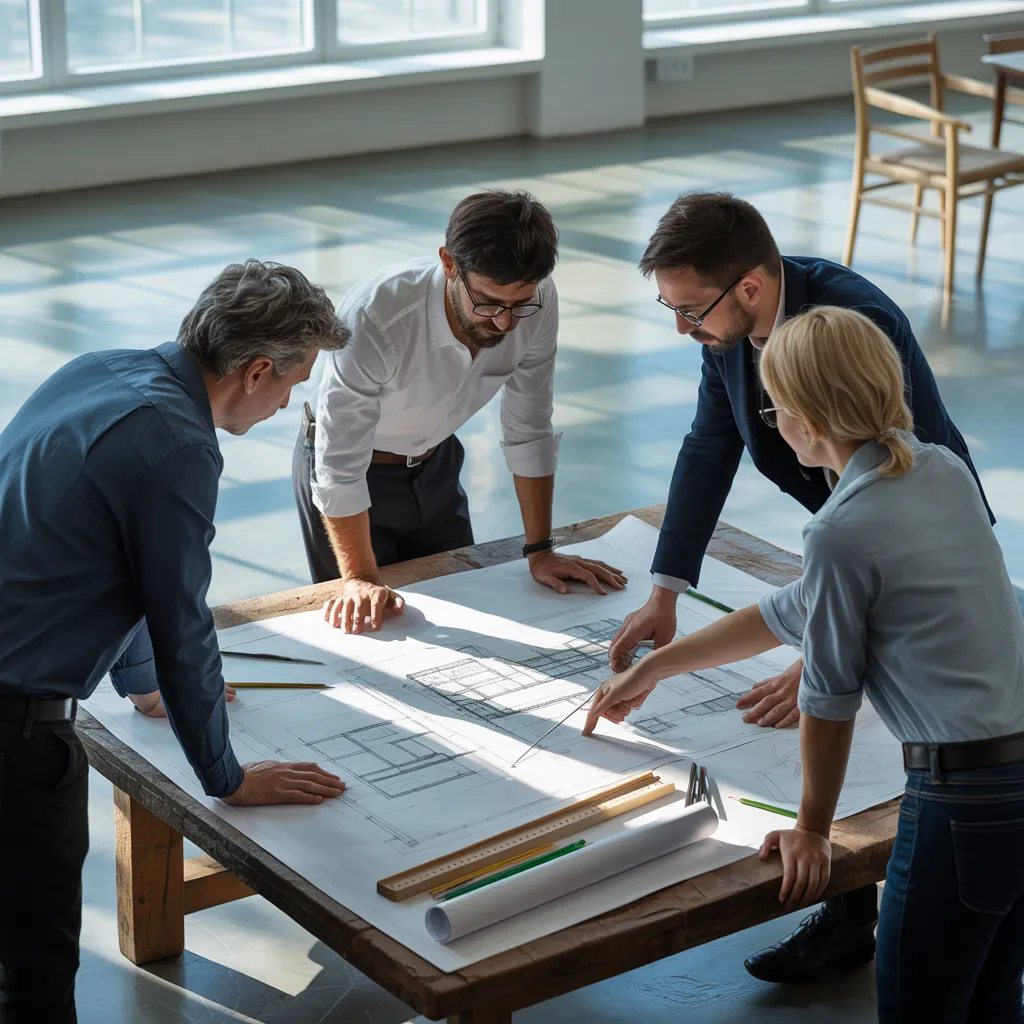
The Importance of Architects in Developing Sustainable Spaces
Architects play an essential role in the shaping of sustainable built environments, greatly influencing the environmental outcome of the built world. Their skills facilitate the adoption of green building materials, sustainable energy systems, and innovative design principles that reduce resource use. By championing eco-conscious design, architects can create structures that reduce carbon footprints and enhance energy performance.
Cooperation with environmental specialists and engineers is crucial in this undertaking, ensuring that designs satisfy both visual and practical requirements while adhering to sustainable practices. Moreover, architects thoughtfully evaluate the surrounding ecosystem, incorporating natural elements and promoting biodiversity that encourage a balanced connection between constructed and natural spaces.
Through thoughtful planning, architects promote the use of renewable energy sources, such as solar panels or wind turbines, which additionally advances sustainability aims. Ultimately, their responsibilities reach far beyond building; architects transform the trajectory of city environments by fostering a commitment to responsible design and environmental stewardship.
Top Innovations in Architectural Design That Enhance Functionality
A wide range of developments in modern architecture are reshaping the functionality of today's built environments. One significant breakthrough is the integration of smart technology, permitting buildings to cater to the demands of their users through self-regulating lighting, environmental controls, and safety mechanisms. This improvement leads to greater energy savings and enhanced occupant comfort.
Additionally, modular assembly techniques are rising in adoption, enabling faster assembly and greater flexibility in design. These structures can be easily reconfigured or expanded, making them well-suited for diverse purposes.
Biophilic architecture, which incorporates organic components into architectural design, enhances productivity and well-being, fostering a connection between inhabitants and their surroundings.
In addition, open floor plans are increasingly popular, enabling flexible spaces capable of accommodating various activities.
Additionally, eco-friendly materials are being employed not only for their eco-friendliness but also for their attractive appearance and resilience, elevating the general efficiency of modern constructions. Together, these advancements lead to more flexible and effective architectural designs.
The Way Design Brings Communities Together
Design serves a fundamental purpose in fostering connections within communities, establishing environments that encourage collaboration and communication among inhabitants. Strategically crafted parks, plazas, and communal areas function as essential social hubs, fostering public participation and a sense of belonging. Design elements such as flexible arrangements and adaptable environments provide avenues for community events and activities, elevating the overall quality of life.
In addition, designs that embrace regional culture and history create a distinctive sense of identity, allowing residents to feel more connected to their surroundings. By focusing on accessibility and inclusivity, architects confirm that all community members, regardless of age or capability, can take part in community life.
The integration of natural elements, such as green spaces and recreational areas, greatly enhances the communal living experience, offering residents a sanctuary and a space for collective recreation. Ultimately, thoughtful architectural design not only shapes physical spaces but also nurtures the relationships that bind communities together.
Improving Energy Efficiency Through Skilled Architecture
A notable change toward energy conservation is reshaping the building design landscape, driving the development of groundbreaking solutions that reduce environmental consequences. Skilled architectural expertise serve a vital function in this change by embedding sustainable practices into the design process. These architects analyze energy complete information consumption patterns and employ high-quality materials, such as superior insulation systems and high-performance glazing, to lower climate control requirements.
In addition, the adoption of sustainable energy solutions, like photovoltaic panels and geothermal solutions, not only minimizes dependence on fossil fuels but also lowers operational costs for building owners. Advanced building automation technologies also optimize overall energy performance, allowing for real-time energy monitoring and usage adjustments.
Through detailed planning and forward-thinking design, professional architects develop environments that not only meet strict environmental requirements but also promote long-term sustainability. This emphasis on energy efficiency ultimately leads to a greener planet and more robust communities, highlighting the essential role of architecture in addressing climate change.
Thriving Urban Landscape Makeovers
One striking instance can be found in the transformation of abandoned waterfronts into thriving community spaces, equipped with parks, walking paths, and cultural attractions. These changes do more than improve the scenery, as they also invigorate regional economies by drawing in visitors and commercial enterprises.
Beyond this, skilled urban design acknowledges the unique features of a neighborhood, confirming that every change honors its heritage and character. This customized strategy encourages a sense of connection among residents, motivating guardianship of the area. At its core, thriving urban landscape projects showcase the potential of architecture to reshape urban experiences and advance sustainable urban development.
Where Is Innovative Architecture Headed?
How might forward-thinking architecture evolve to meet and respond to the shifting needs of modern society? As cities become progressively more complex, architects are called upon to confront significant challenges like sustainability, affordability, and social equity. Innovative technologies, encompassing artificial intelligence and next-generation materials, open up new possibilities for design, supporting more effective construction processes and superior energy performance.
Additionally, architects are consistently working alongside diverse stakeholders, from local residents to environmental experts, ensuring that designs reflect the priorities and requirements of the people they serve. This engagement-driven process fosters resilience, allowing structures to adapt to fluctuating ecological circumstances and public expectations.
In addition, the adoption of biophilic design principles promotes wellness, forging a connection between occupants and nature. As the architectural profession progresses, the emphasis on groundbreaking solutions will remain paramount, motivating the discipline to develop areas that are not only functional but also transformative for the generations ahead.
Frequently Asked Questions
How Do Architects and Engineers Collaborate on Projects?
Engineers and architects work together by merging creative designs with technical demands, guaranteeing structural soundness and performance. Scheduled meetings promote effective dialogue, enabling both fields to tackle obstacles and enhance project outcomes through shared expertise and innovative solutions.
What Are the Costs Associated With Hiring an Architect?
The costs associated with hiring an architect commonly consist of design costs, project oversight fees, and possible extra charges for on-site visits or consultations. These fees can fluctuate substantially based on project complexity and location.
How Long Does the Architectural Design Process Typically Take?
The architectural design process generally requires several months, based on the complexity of the project and client needs. Considerations like permit approvals, design revisions, and coordination with contractors can further impact the entire project schedule, often extending the duration considerably.
Do Architects Provide Help With Zoning and Permit Applications?
Absolutely, architects can assist with zoning regulations and permit submissions. Their expertise helps navigate intricate zoning regulations and ensures conformity with local regulations, streamlining the process and enhancing the probability of receiving the needed permits for development projects.
What Qualities Should I Look for When Hiring an Architect?
When hiring an architect, one should prioritize qualifications such as education, licensing, experience in relevant projects, effective communication abilities, and a portfolio showcasing creativity and problem-solving skills. Specific areas of expertise may also matter based on the nature of the project.